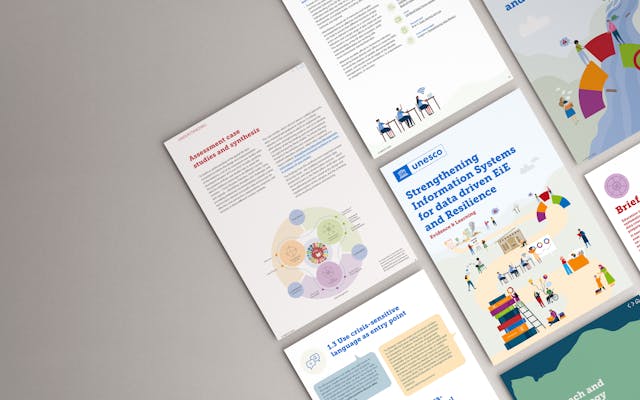
Global user-centred discovery and website design for UNESCO.
Ensuring access to education for millions of children

Why UNESCO
“The impact of education being disrupted by emergencies lasts a lifetime. We believe every child deserves the chance to learn, no matter the circumstances.”
 Michelle Pavey
“Education is a fundamental human right. For children and youth caught up in emergency situations, education not only means the continuity of learning, but it also provides a sense of normalcy and the key to a different future.”
Research and discovery
By the time Kind were appointed, the project had been running since 2019, generating a significant body of data, case studies, reports and user profiles, but very little of it was accessible to the people who needed it.
One-to-one and group calls with UNESCO staff, EiE practitioners and partner organisations across multiple countries gave us a clear picture of what the platform needed to do and the constraints it needed to work within, including users whose primary language was not English and those working in areas with limited connectivity. Practitioners felt isolated, unsure where to start, and frustrated that work was being duplicated across regions because there was no central place to share it.
Information architecture and design
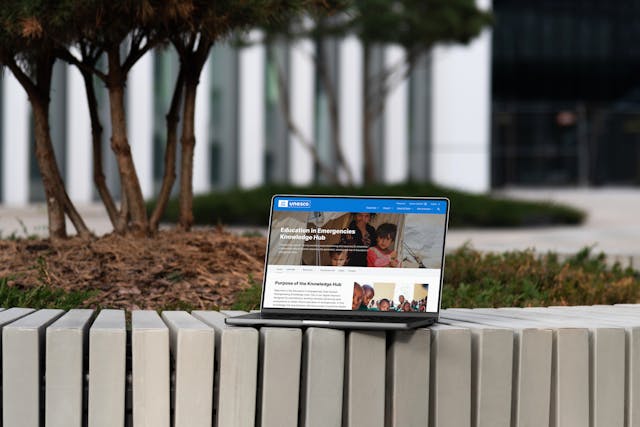
Draft IA structures and wireframes were built and tested with the same practitioners involved in the discovery phase, with multiple rounds of feedback used to refine the structure. The final platform was designed within UNESCO’s existing brand and design system, with templates that made complex information easy to navigate: layered content moving from headlines and summaries through to detailed reports, case studies with downloadable PDFs, and flexible content pages that could accommodate the range of material the project needed to share.
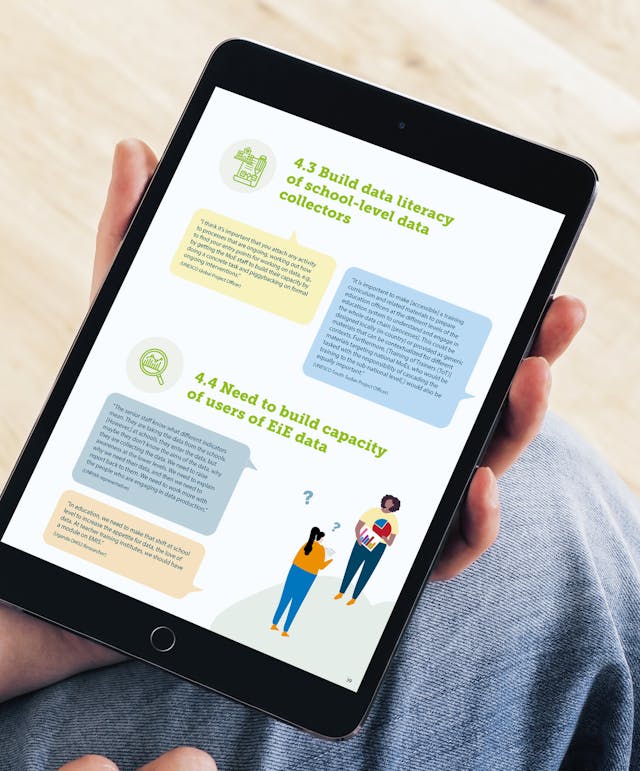

Illustrated summary report
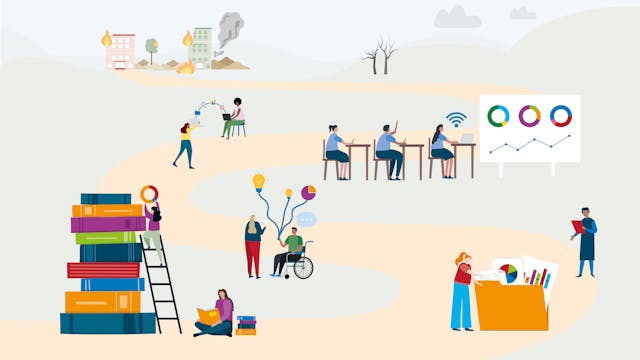
Alongside the platform, Kind condensed a 100-page research report into a concise, visually engaging summary. Illustrations featuring diverse characters brought the findings to life while respecting the seriousness of the subject matter, and interactive elements and links to additional resources gave readers clear paths to explore further.